Flower bath Bali – The flower bath has become one of the most photographed moments in Bali, appearing across travel feeds in a steady stream of petals, candlelight, and perfectly timed shots. But the flower bath in Bali predates Instagram by several centuries, and the ritual it comes from carries a meaning that most visitors booking one have never been told. This summer, as peak season brings a new wave of first-time visitors to the island’s spas, it’s worth understanding what mandi bunga actually is, what a proper session involves, and why treating it as more than a photo moment changes the experience entirely.
What is a flower bath in Bali?
A flower bath, known in Balinese and Indonesian as mandi bunga (literally “flower bath”), is a ritual soak in warm water scattered with fresh tropical flowers. In its traditional context, mandi bunga is a ceremonial cleansing and blessing practice rooted in Balinese Hindu belief, used at significant life transitions such as coming-of-age ceremonies, pre-wedding purification rituals, and post-illness recovery. The flowers are not simply decorative: in Balinese spiritual practice, different flowers carry different energetic and symbolic properties, and their combination in the bath water is believed to clear negative energy, attract good fortune, and restore harmony to the individual. The spa adaptation of mandi bunga retains the core elements of the ritual while making it accessible as a standalone wellness experience.
The flowers used and why they matter
Frangipani, known locally as jepun, is the most significant flower in Balinese spiritual practice and almost always appears in mandi bunga. It is associated with purity, the divine, and the transition between states of being. Rose petals add hydrating and skin-softening properties through their natural oils, and carry associations with love and wellbeing across both Balinese and broader Indonesian tradition. Hibiscus, or pura in Balinese, is known for its skin benefits including antioxidant properties and its association with vitality. Marigold, used in many Balinese offerings, adds a bright warmth to the water and carries protective symbolism in local belief. The combination of these flowers in a single bath creates water that is simultaneously fragrant, skin-nourishing, and culturally layered in ways that a simple warm soak is not.
What a flower bath session actually includes
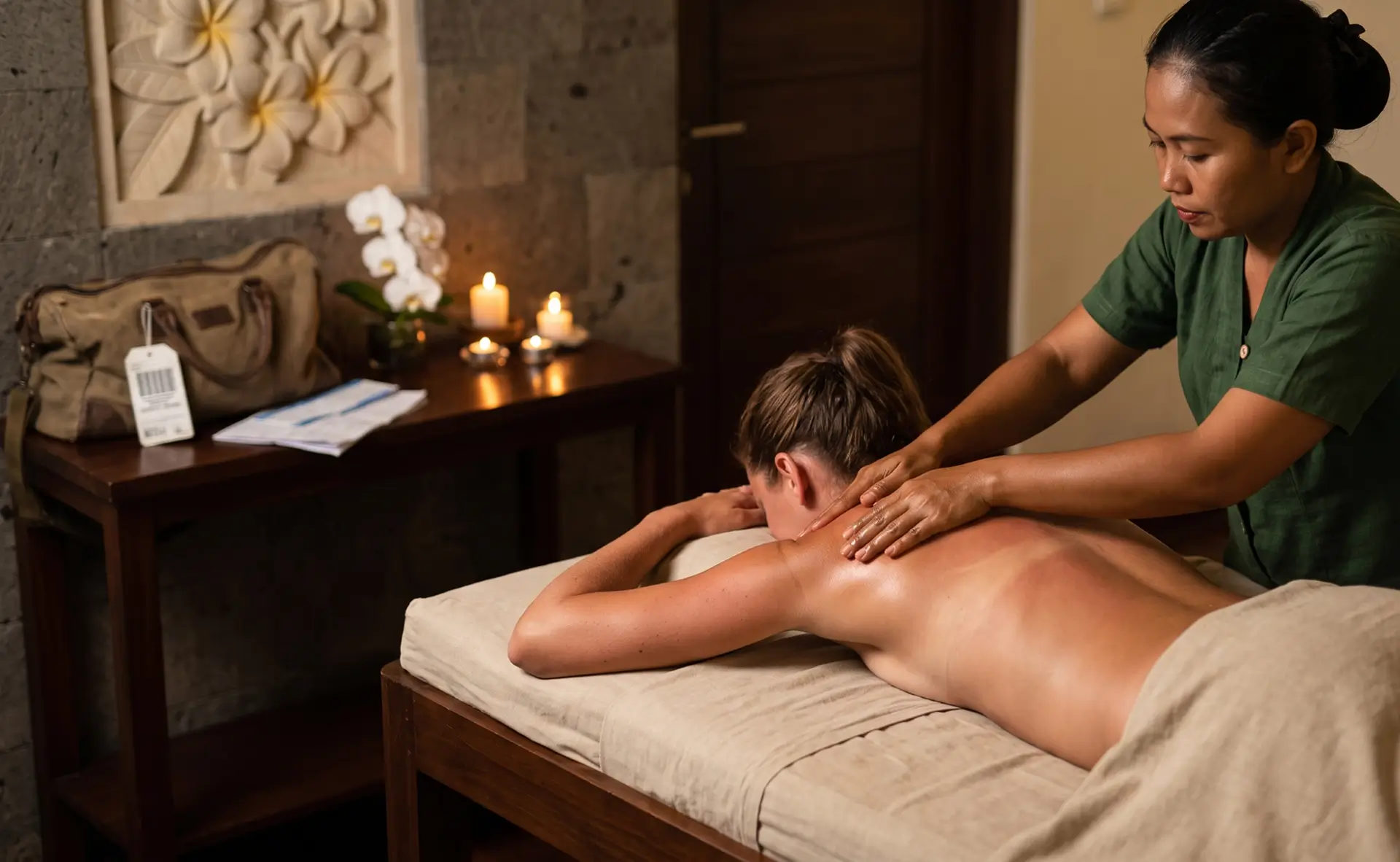
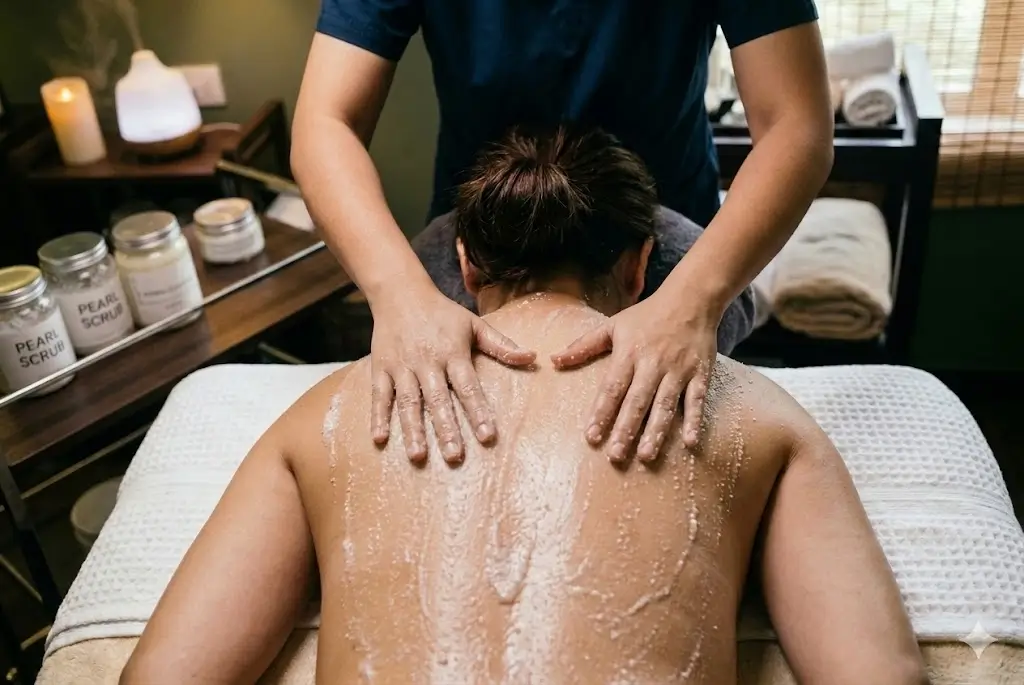
In a spa context, a flower bath typically follows a massage or body scrub rather than being the first step of a session. The bath itself is drawn in a deep tub or stone basin, with warm water and a generous scattering of fresh petals creating the characteristic visual that fills the surface. You soak for between 15 and 30 minutes, allowing the floral oils to settle on the skin and the warmth to complete the relaxation effect from any preceding treatments. Some spas add coconut milk to the water, which gives it a softly opaque quality and enhances the hydrating effect on freshly exfoliated skin. The experience is intentionally slow-paced: there is no technique, no pressure, no agenda beyond simply resting in the water.
The difference between a ceremonial mandi bunga and a spa flower bath
A traditional ceremonial mandi bunga is conducted by a pemangku (Balinese Hindu priest) or senior family member, with specific prayers, offerings, and flower combinations chosen according to the occasion and the spiritual needs of the individual. It is a sacred act within a religious framework, not a wellness service. The spa version borrows the aesthetic and some of the sensory elements of the ceremony but does not replicate the spiritual or religious context. Understanding this distinction doesn’t diminish the spa experience: it simply helps visitors appreciate what they are receiving with honesty rather than assuming they are participating in an active ceremony.
Why the flower bath is more than aesthetics
Beyond its visual appeal, the flower bath serves a genuine physiological function within a spa sequence. Warm water immersion after a massage helps the body maintain the vasodilation (widened blood vessels and improved circulation) triggered during the massage, extending the physical benefits of the treatment rather than letting them dissipate. Floral oils from frangipani, rose, and hibiscus absorb into freshly exfoliated or massaged skin more readily than they would into unwashed skin, delivering mild but real moisturizing and antioxidant effects. The slow, unstructured nature of the soak also gives the nervous system a chance to consolidate the calm produced during the massage, rather than jarring it with the transition back to activity.
When in your spa sequence the flower bath should happen
The flower bath works best as the final element of a spa session, not the first. Entering a flower bath with un-massaged, un-exfoliated skin means the floral water is sitting on top of whatever the day has left on your skin, reducing both the absorption of beneficial compounds and the enjoyment of the experience. After a massage or a lulur scrub, the skin is clean, relaxed, and receptive: exactly the state in which a flower bath delivers its full effect. Many of Bali Orchid Spa’s packages build the flower bath into the closing stage of the session for precisely this reason.
How to find an authentic flower bath experience
An authentic flower bath uses fresh flowers rather than dried or synthetic petals, which are visually similar but lack the natural oils that make fresh petals beneficial for the skin. The water should be genuinely warm rather than lukewarm, since temperature is part of what makes the soak effective physiologically. A spa that treats the flower bath as a rushed five-minute add-on between treatments is not giving the ritual its proper space. Look for venues that build the flower bath into the session structure rather than tacking it on as an afterthought.
At Bali Orchid Spa, the Flower Bath is available as a standalone treatment and can be included in several of the multi-step packages by request. Visit the treatments page to see how it fits into the full session options, and book directly through the website for the best available rate.
Pro Tips
If you want photos of your flower bath, take them in the first few minutes before you settle into the soak, since the petals look their best when freshly arranged. Mention any flower allergies at booking, though reactions to the flowers commonly used in mandi bunga are rare. Let the spa know if you’re booking the flower bath specifically as a closing ritual so they can time the rest of your session to end naturally into it.
FAQ
What flowers are used in a Bali flower bath?
Traditional mandi bunga typically includes frangipani (jepun), rose, hibiscus, and marigold, each carrying both skin-beneficial properties and cultural significance within Balinese tradition.
How long does a flower bath take?
The soak itself typically runs between 15 and 30 minutes, either as a standalone treatment or as the closing stage of a longer multi-step session.
Is a flower bath included in spa packages or booked separately?
Both options are available at many Bali spas, including Bali Orchid Spa. It can be booked as a standalone session or experienced as part of a larger package that includes massage and scrub.
Can you do a flower bath without a full spa session?
Yes, though experienced spa-goers generally recommend having at least a brief massage or scrub beforehand, since the flower bath delivers noticeably more when the skin is already prepared.
Flower bath Bali – The Flower Bath at Bali Orchid Spa is available as a standalone treatment and woven into several of the spa’s most popular packages. Explore the full options on the treatments page and book directly for the best rate this summer.